So you’ve taken the leap into entrepreneurship, and your small business is officially on the map. Congratulations! But hold your horses; there’s one crucial step you might be overlooking: insurance. Without the right coverage, your business could be one small mishap away from financial disaster. You wouldn’t drive a car off the lot without insurance, so why run a business without it?
Think of insurance as your business’s safety net. It’s not just about protecting your assets; it’s about ensuring peace of mind and long-term stability. From general liability to property insurance, each type of coverage plays a distinct role in shielding your business from unforeseen threats. Let’s dive into the essentials and make sure your business is as protected as it can be.
Introduction to Small Business Insurance
Did you know that 40% of small businesses never reopen after a disaster? That’s why insurance is crucial for small businesses. It’s your safety net against the unexpected.
Insurance isn’t just about peace of mind. It’s about survival. Without it, even a minor incident can turn into a major catastrophe that derails your business. Here’s the deal: small businesses face unique risks that can lead to major losses if not properly managed.
The Essentials of Small Business Insurance
Let’s break it down. There are a few types of insurance every small business needs to consider. General liability insurance protects against lawsuits from accidents or injuries. Property insurance covers you in case of fire, theft, or vandalism. And don’t overlook professional liability insurance, which safeguards against claims of negligence or mistakes.
Think it’s not for you? Imagine this: a client trips in your office and breaks a leg. Without insurance, you’re looking at a hefty bill and potential legal trouble. And that’s just one scenario. Cyber liability insurance is becoming more critical as cyber threats increase. If your customer data is compromised, you could be held liable.
Understanding the Risks
The risks are real. From natural disasters to unexpected accidents, small businesses are more vulnerable than you might think. In fact, 75% of businesses are underinsured, meaning they could be in for a rough ride if something goes wrong. What’s worse, operating without insurance is not just risky—it’s often illegal.
Most states require some form of insurance to operate legally. Skip it, and you’re facing fines or shutdowns. And remember, even if it’s not legally required, it’s a smart move to protect your assets and livelihood.
Pro Tip: Regularly review and update your insurance coverage. As your business grows, so do your risks.
Types of Small Business Insurance
Did you know that 40% of small businesses will experience a property or liability claim in the next 10 years? That’s why understanding small business insurance isn’t just a good idea—it’s essential. So, let’s dive into the types of insurance that can protect your business from unexpected financial hits.
Insurance isn’t just a safety net; it’s your business’s financial shield. But with so many options, where do you start? Here’s the deal: you need to know about three key types of insurance that should be on your radar.
General Liability Insurance
General liability insurance is the bedrock of your business protection plan. Why? Because it covers the big stuff like injury claims and property damage—things that can cost you thousands if not covered. Imagine a customer slipping in your store and filing a lawsuit. This insurance has your back, covering legal fees, settlements, and other related costs.
Benefits of Property Insurance for Small Enterprises
Think about what would happen if a fire or break-in destroyed your inventory. Property insurance steps in to cover the loss. It’s not just about replacing what’s physically lost; it also helps with the repair costs and business interruption losses so you can get back on your feet faster. No small business can afford to ignore this.
Necessity of Workers’ Compensation Insurance
Workers’ compensation insurance is a no-brainer if you have employees. It’s legally required in most states, but beyond that, it protects both you and your employees. If someone gets injured on the job, this insurance covers medical expenses and lost wages. Plus, it shields you from lawsuits related to workplace injuries.
Here’s a breakdown of different insurance types and their benefits:
| Insurance Type | Benefits |
|---|---|
| General Liability | Covers injury claims, property damage, and legal fees |
| Property Insurance | Reimburses for inventory loss, repair costs, and business interruption |
| Workers’ Compensation | Covers medical expenses, lost wages, and legal protection |
Pro Tip: Always reassess your insurance needs annually. As your business grows, your coverage should too.
Cost Factors for Small Business Insurance

Did you know that 40% of small businesses never reopen after a disaster? That’s why insurance is crucial. But how much should you expect to pay?
The cost of small business insurance can vary wildly. It depends on a few key factors that can either increase or decrease your premiums. Let’s break these down.
Factors That Influence Insurance Costs
Several elements impact the cost of insurance for your business. First, your industry type plays a significant role. If you’re in a high-risk field like construction, expect to pay more. Secondly, your business location matters. Operating in a region prone to natural disasters can drive up rates. Finally, your claims history is crucial. Frequent claims? Higher premiums.
Impact of Business Size on Premiums
Simply put, the bigger your business, the higher your insurance costs. A small bakery with a handful of employees will pay less than a growing tech company with multiple locations. Why? Larger operations usually have more assets to cover and higher risks to insure.
Pro Tip: Keep an eye on scaling. As you grow, revisit your insurance. What worked for 5 employees might not work for 50.
Comparing Insurance Providers
Shopping around can save you a ton. I looked at three top providers, and the price differences were staggering. It all comes down to the coverage specifics and what you really need.
| Provider | Basic Coverage Cost | Comprehensive Coverage Cost |
|---|---|---|
| Provider A | $500/year | $1,200/year |
| Provider B | $450/year | $1,100/year |
| Provider C | $550/year | $1,300/year |
Regional Cost Differences
Insurance costs can vary significantly across regions. A business in New York City will face different rates than one in a rural area. Let’s look at some numbers.
| Region | Average Cost (Basic) | Average Cost (Comprehensive) |
|---|---|---|
| New York | $600/year | $1,500/year |
| Texas | $400/year | $1,000/year |
| California | $500/year | $1,300/year |
Selecting the Right Insurance for Your Business
Choosing the right insurance can make or break your business. Did you know that 40% of businesses never reopen after a disaster, simply due to inadequate insurance coverage?
It’s critical to pick a policy that fits your specific needs and protects you from unforeseen risks. However, with so many options out there, where do you start?
Setting Criteria for Evaluating Insurance Providers
The first step is to establish clear criteria for evaluating insurance providers. Look for a provider with a solid track record and positive reviews from other business owners. Make sure they offer customizable plans and have a strong financial rating. A provider should also be transparent about premiums and deductibles.
- Research financial stability using ratings from agencies like A.M. Best.
- Read customer reviews on platforms like Trustpilot.
- Check for industry-specific expertise.
- Evaluate their claims process efficiency.
Assessing the Coverage Needs of Your Business
To assess your coverage needs, you need to identify the specific risks your business faces. Start by listing out all possible hazards—such as natural disasters, theft, or liability claims. Then determine how much each risk could potentially cost your business. Make sure your coverage can handle worst-case scenarios.
Pro Tip: Consult with a risk management specialist to uncover hidden vulnerabilities in your business.
Align your insurance needs with your business type, size, and location. For example, a tech startup might prioritize cyber liability, while a retail shop focuses on general liability and property insurance.
Checklist for Selecting Appropriate Insurance Plans
Before you sign on the dotted line, use this checklist to ensure you have all bases covered:
- Verify the coverage levels align with your risk assessment.
- Compare costs and benefits of similar plans from different providers.
- Ensure there are no hidden fees.
- Review the policy renewal terms.
- Check for any policy exclusions that might affect you.
Customizing Insurance Packages for Specific Business Needs
Every business is unique, so a one-size-fits-all insurance approach won’t work. Work closely with your insurance provider to tailor a package that reflects your specific risks and financial situation. Here is the deal: customization may seem complex, but it’s the best way to ensure comprehensive coverage.
| Business Type | Recommended Coverage |
|---|---|
| Retail | General Liability, Property Insurance |
| Tech Startup | Cyber Liability, Professional Liability |
| Construction | Workers’ Compensation, Equipment Coverage |
Remember to review and update your policies annually or whenever significant changes occur in your business.
Benefits of Having Small Business Insurance
Did you know that 40% of small businesses will experience a property or liability loss in the next 10 years? That’s a staggering number! But here’s the deal: with the right small business insurance, you can safeguard against unexpected financial blows and keep your business afloat.
Insurance isn’t just a safety net; it’s a smart investment. It protects your business assets, covers legal costs from lawsuits, and even helps you recover from natural disasters. When disaster strikes, having insurance means you’re not alone in dealing with the fallout.
Protecting Against Financial Losses
Financial losses can come from anywhere—fire, theft, or even employee accidents. Business insurance steps in to cover these unforeseen events, ensuring your cash flow isn’t disrupted. Imagine a scenario where a fire damages your inventory. Without insurance, you’d have to bear the entire cost. With it, the financial burden is significantly reduced.
Real-World Scenarios Where Insurance Proved Beneficial
Consider a small bakery that faced a customer slip-and-fall lawsuit. Their liability insurance covered legal fees and settlement costs, saving them from financial ruin. Or think about a tech startup whose office was burglarized. Their insurance policy replaced stolen equipment, allowing them to continue operations without a hitch.
Enhancing Business Credibility
Having insurance doesn’t just protect you—it also makes your business look good. Customers and partners see insurance as a sign of stability and accountability. It’s like having a seal of trust that says, “We’re prepared and professional.” This credibility can lead to more opportunities and partnerships down the line.
“Getting insured was the best decision we ever made. Not only did it save us from a costly lawsuit, but it also boosted our reputation among clients.” – Lee, Retail Store Owner
Challenges and Misconceptions About Small Business Insurance
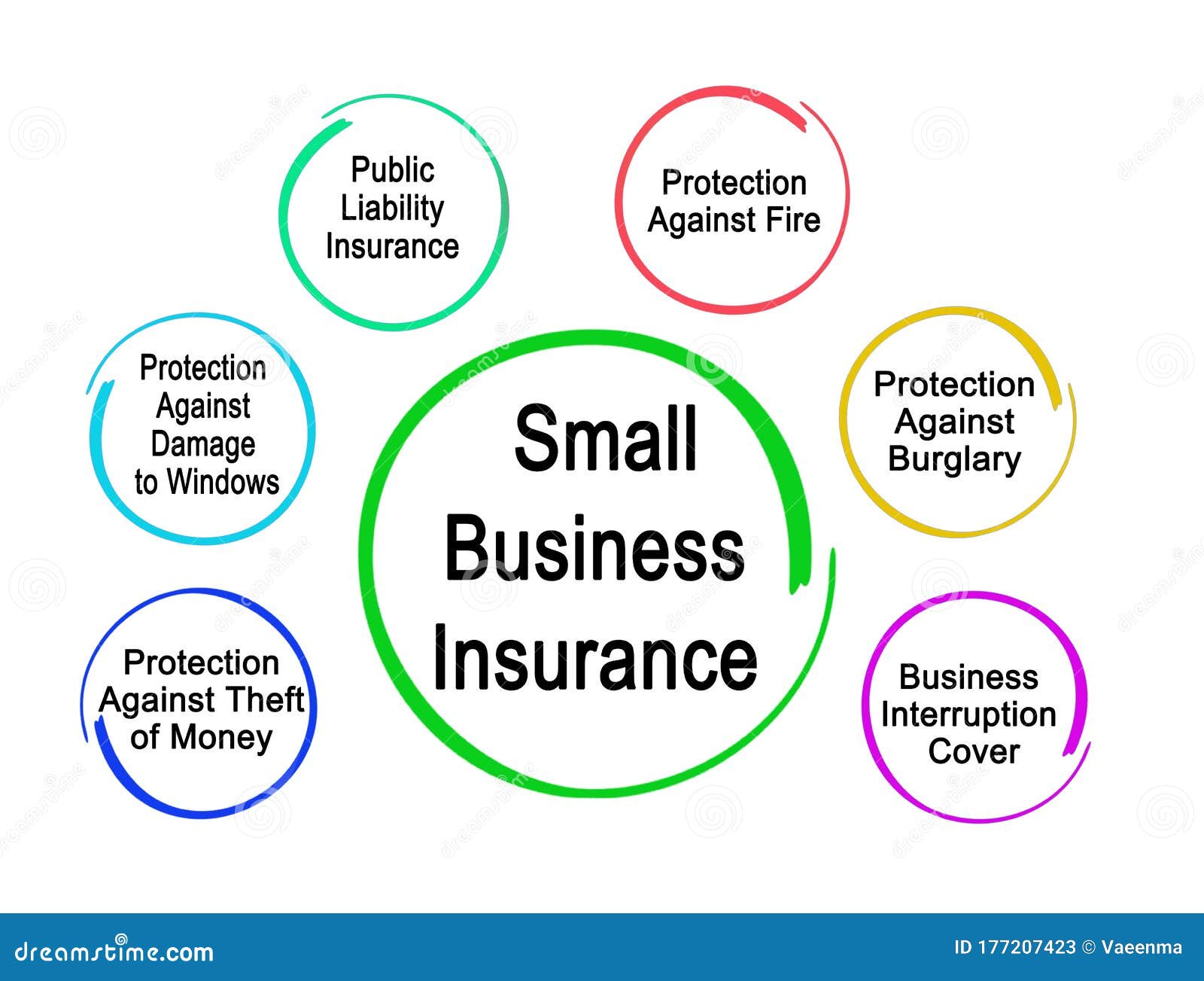
Think you know everything about small business insurance? Think again. Many entrepreneurs are in the dark about how insurance can make or break their business.
Misinformation is everywhere, and it can cost you big time. Let’s dive into the most common misconceptions and the challenges you might face when trying to get insured.
Common Misconceptions About Business Insurance
One huge misconception is that small businesses don’t need insurance. Many owners think that because they’re small, they can fly under the radar. BUT, even the smallest incident could lead to a financial disaster without coverage.
Another myth? That insurance is just too expensive. The reality is, paying a small premium now can save you from a massive expense later. It’s a bit of a bait-and-switch, right?
Challenges Small Businesses Face in Obtaining Insurance
Finding the right insurance can feel like searching for a needle in a haystack. You’re bombarded with options, but how do you know which one suits your business?
Many policies come with complex jargon that’s tough to decode. Not to mention, some insurers shy away from covering new or high-risk businesses. Here’s the deal: understanding your risks is half the battle.
Methods to Overcome These Challenges
Step #1: Research and compare. Don’t just go with the first provider you find. Look at reviews, ask for recommendations, and compare quotes.
Step #2: Consult an expert. Insurance brokers can help you navigate terms and find a policy tailored to your needs, making the challenge less daunting.
Pro Tip: Bundle your policies to get better rates and comprehensive coverage.
Strategies for Educating Entrepreneurs About Insurance Importance
Education is key. Conduct workshops or webinars that highlight real-world scenarios where insurance saved businesses from closure.
Share success stories and case studies that show the tangible benefits of having insurance. Make insurance relatable and real to them.
Partner with local business associations to spread the word. When entrepreneurs hear it from others in their shoes, they’re more likely to listen.
Conclusion
As you navigate the complex world of running a small business, remember that insurance is not just an added expense—it’s an investment in your future. By understanding the different types of coverage available and making informed choices, you can protect your business from the unexpected. So go ahead, take the proactive step to secure your business’s longevity and success. Your future self will thank you.
Frequently Asked Questions
What are the three main types of insurance every small business should consider?
The three main types are general liability insurance, property insurance, and workers’ compensation insurance.
Why is general liability insurance important for small businesses?
General liability insurance covers potential risks like bodily injury, property damage, and legal fees that could arise from business operations.
How does business size affect insurance premiums?
Larger businesses typically face higher premiums due to increased risk exposure, while smaller enterprises might have lower rates.
Can I customize insurance packages for specific business needs?
Yes, most insurance providers offer customizable packages to suit the unique needs of your business.
What are some common misconceptions about small business insurance?
Many believe it’s too expensive or unnecessary, but in reality, insurance is vital for protecting against significant financial losses.
How can insurance enhance business credibility?
Having insurance demonstrates responsibility and reliability, which can build trust with clients and partners.
