Hey there, fellow professionals of Washington State! Ever found yourself worried about potential mishaps and mistakes in your professional services? Enter Errors and Omissions Insurance, your safety net in the bustling world of business. This insurance is designed to shield you from the financial pitfalls that can arise from claims of negligence or inadequate work. Whether you’re a real estate agent, consultant, or any other professional, understanding the ins and outs of E&O Insurance is crucial to your business success.
In this guide, we’re diving deep into the significance of Errors and Omissions Insurance in Washington State. From the industries that rely on this coverage to the nuances that set it apart from other liability insurances, we’ve got you covered. So, sit tight as we unravel the mystery and importance of having this essential policy in your professional toolkit!
Introduction to Errors and Omissions Insurance in Washington State
Did you know that a single lawsuit could cripple your business? That’s where Errors and Omissions (E&O) Insurance comes in. It’s your safety net when human mistakes lead to costly legal claims.
E&O insurance is designed to protect businesses and professionals from claims of negligence or inadequate work. Whether you’re working in tech, real estate, or consulting, if your advice or service could lead to financial harm, you need this coverage.
The Purpose and Importance of Errors and Omissions Insurance
The primary goal of E&O insurance is to safeguard your professional reputation and finances. Imagine a client claiming your advice cost them thousands—what would you do? Without E&O, you could be paying out of pocket for legal fees and settlements. This insurance ensures that one mistake doesn’t sink your business.
It’s not just about the money. Protecting your professional credibility is crucial. A lawsuit can tarnish your reputation, even if unfounded. With E&O, you can defend your name confidently.
Industries Commonly Requiring E&O Insurance in Washington State
So, who exactly needs Errors and Omissions insurance in Washington State? Well, pretty much anyone offering professional services. Think of consultants, financial advisors, and architects. Even medical professionals and real estate agents find it indispensable.
In the fast-paced tech industry of Washington, coding errors can lead to huge financial losses for clients. That’s why E&O is a must-have. The state’s booming real estate market also means agents need protection against claims of misrepresentation and negligence.
- Consultants
- Financial Advisors
- Architects
- Medical Professionals
- Real Estate Agents
Key Distinctions Between Errors and Omissions Insurance and Other Liability Insurance
You might be thinking, “Why not just get general liability insurance?” Here’s the deal: general liability covers physical injuries and property damage. It won’t cover you if a client accuses you of making a mistake.
E&O insurance is more specialized. It handles claims against your professional services and advice. If you’re in a business where advice is your product, E&O is your best friend.
| Type of Insurance | Covers | Doesn’t Cover |
|---|---|---|
| General Liability | Physical injury, property damage | Professional mistakes |
| Errors and Omissions | Professional mistakes, negligence | Physical injury, property damage |
Pro Tip: Always tailor your E&O policy to your specific industry to ensure comprehensive coverage.
In the end, choosing the right insurance is about knowing your risks. For Washington State professionals, E&O is a critical piece of the puzzle.
Components and Coverage of Errors and Omissions Insurance
Did you know that 40% of small businesses are likely to experience a liability claim in the next decade? That’s where Errors and Omissions (E&O) Insurance steps in to save the day. Let’s break down the nuts and bolts of this essential coverage.
Errors and Omissions Insurance is like a safety net for service providers. It protects you from claims of negligence or inadequate work. But what exactly does this policy cover? And how does it differ across state lines?
Key Components of an E&O Policy
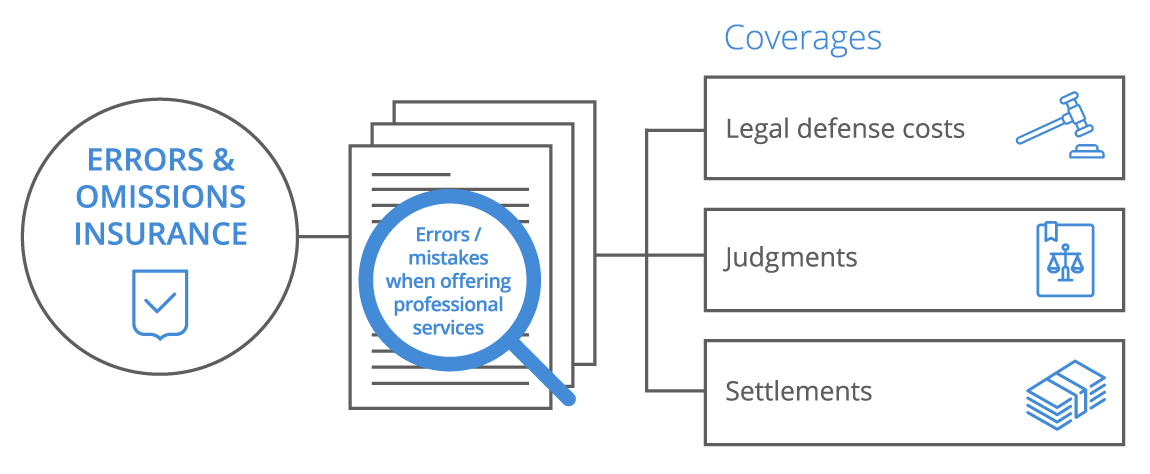
First up, let’s dive into what makes up an E&O Insurance policy. The core components include coverage limits, deductibles, and policy exclusions. These elements define how much protection you have and under what circumstances. Typically, an E&O policy will cover legal fees, settlements, and damages. BUT, it’s crucial to read the fine print because some exclusions might just catch you off guard.
Here is the deal: E&O Insurance isn’t a one-size-fits-all product. In Washington State, policies might include state-specific clauses that you won’t find elsewhere. For instance, certain industries might face unique requirements based on state regulations.
Situations Covered by E&O Insurance
Wondering when you’d actually need to call on your E&O Insurance? Picture this: you deliver a service, but an oversight leads to a client’s financial loss. That’s when E&O Insurance kicks in to cover your back. Check out the table below for more scenarios:
| Situation | Coverage |
|---|---|
| Missed Deadline | Legal defense and settlement |
| Data Entry Errors | Compensation for financial loss |
| Contract Breaches | Coverage for damages and legal fees |
Pro Tip: Always ensure your policy covers industry-specific risks. This can be a lifesaver when unexpected claims arise.
Comparing Washington State E&O Coverage to Other States
Let’s talk about the differences. Washington State has its unique blend of regulations. Policies here might offer broader coverage for tech-related claims compared to other states. But, in California, for example, you might find stricter requirements for legal professionals.
Here’s why this matters: choosing a policy that aligns with your location’s legal landscape can save you from unexpected gaps in coverage. So, don’t just glance over those state-specific details—they’re more important than you might think!
Legal Requirements and Regulations
Did you know that if you’re a professional in Washington State, Errors and Omissions Insurance could be your safety net? Many professionals think they’re covered until they discover a gap in their insurance policy.
Washington State has specific regulations that directly impact your E&O insurance. Not knowing these could put you at risk. Let’s dive into what you need to know to stay compliant and protected.
Understanding Legal Requirements for Various Professions
Each profession can have different E&O insurance requirements. For example, real estate agents and brokers in Washington are required to carry E&O insurance as mandated by the state’s Department of Licensing. Lawyers, on the other hand, are not mandated by the state but are highly encouraged due to the nature of their advice-based work. The healthcare industry, especially professionals like psychologists, must navigate specific stipulations artikeld by state health boards.
State-Specific Insurance Policy Regulations
Washington State has its own set of regulations that affect E&O policies. For instance, the state mandates that policies should cover “negligent acts, errors, and omissions” but does not require coverage for criminal acts or intentional damage. This means that your policy needs to explicitly include these standards to be compliant. It’s also vital to check for any coverage limitations, particularly for high-risk professions.
Timeline of Legislative Changes
Understanding the legislative timeline is crucial for staying on top of compliance. Here’s a quick look at the changes over the years:
- 2000: Introduction of mandatory E&O for real estate professionals.
- 2010: Updates to include digital errors and cyber liabilities.
- 2018: Revised policies to expand coverage to consultants and freelancers.
- 2021: Latest amendments to increase minimum coverage limits for specific industries.
Pro Tip: Always consult with an insurance expert to ensure your E&O policy is up-to-date with the latest state regulations.
Keeping tabs on these changes can be a game-changer. With the right knowledge, you’ll not only protect your business but also stay ahead in a highly competitive market.
Cost Factors and Premium Determinants
Ever wondered what makes insurance premiums tick? If you’re in Washington State looking for Errors and Omissions Insurance, you might be surprised at how many factors can influence your premium. Understanding these factors is crucial to making a smart choice.
The cost of Errors and Omissions Insurance isn’t just a random number. It’s shaped by a variety of elements. From your profession to the size of your business, each aspect plays a role in determining your rate. But here is the deal: knowing these factors can help you save money.
Factors Influencing Premium Costs
Several factors come into play when calculating your insurance premium. Here are some of the key determinants:
- Industry type: Certain industries face higher risks, leading to higher premiums.
- Business size: Larger businesses typically pay more due to increased exposure.
- Claims history: A clean record can significantly reduce costs.
- Coverage limits: The higher the coverage, the higher the premium.
- Deductible amounts: Opting for a higher deductible can lower your premium.
Industry-Based Premium Examples
Not all professions are created equal when it comes to Errors and Omissions Insurance premiums. Here’s a breakdown of typical rates for different fields:
- Real Estate Agents: $500 – $1,000 annually
- Consultants: $600 – $1,200 annually
- Financial Advisors: $1,000 – $3,000 annually
- IT Professionals: $800 – $1,500 annually
Impact of Business Size and Industry Type
The size of your business and the industry you operate in can greatly impact your premium calculations. Larger businesses, for example, usually have more clients and higher revenues, which increases their exposure to potential claims. On the flip side, industries that are deemed “low risk” often enjoy lower premium rates.
Pro Tip:
Regularly reassess your coverage needs to ensure you’re not overpaying or underinsured, especially as your business grows.
Choosing the Right Errors and Omissions Insurance Policy
Finding the right Errors and Omissions (E&O) insurance policy can feel like navigating a maze. With countless providers and options, how do you choose the best fit?
Here’s the deal: not all policies are created equal. Some might have loopholes that could leave you exposed when you need coverage the most. You need to be strategic and informed in your selection process.
Design Guidelines for Selecting the Most Appropriate Insurance Provider and Policy
Step #1: Identify Your Business Needs. Before jumping into the world of E&O insurance, get clear on your coverage needs. Are you a freelancer or running a large corporation? Different scales demand different policies.
Step #2: Research and Compare Providers. Read reviews, check credentials, and understand the reputation of potential providers. You want a company that pays claims diligently and has a solid track record.
Step #3: Evaluate Policy Terms. Don’t just skim the surface. Dive deep into the terms and conditions. Look out for exclusions that might affect your specific line of work.
Comparing Various Insurance Providers in Washington State
Here’s a quick comparison of some top E&O insurance providers in Washington State:
| Provider | Special Features | Customer Rating |
|---|---|---|
| Provider A | Comprehensive coverage, 24/7 customer service | 4.5/5 |
| Provider B | Customizable policies, Fast claims processing | 4.0/5 |
| Provider C | Industry-specific options, Competitive pricing | 4.3/5 |
Evaluating Policy Terms and Alignment with Business Needs
When evaluating policy terms, pay close attention to the coverage limits. Do they match the potential risk exposure of your business? If your business handles high-value contracts, you might need higher limits.
Pro Tip: Always check for hidden fees or deductibles that might not be immediately apparent. These can significantly affect the overall cost-effectiveness of your policy.
Align the policy terms with your business operations. If you regularly work with international clients, ensure your policy covers overseas operations. The more tailored the policy to your specific needs, the better protected you’ll be.
Claims Process and Risk Management Strategies
Did you know that 65% of businesses that file an Errors and Omissions claim have no idea how to start? Filing a claim can seem daunting, but it doesn’t have to be.
Here is the deal: understanding the steps to file a claim is crucial to getting the coverage you deserve. And implementing effective risk management strategies can help you avoid claims in the first place.
Step-by-Step Guide to Filing an E&O Insurance Claim
Let’s break it down. Filing a claim involves several key steps that you need to follow meticulously:
- Identify the Incident: As soon as an incident occurs, take note of all the details. Document everything.
- Contact Your Insurer: Don’t wait. Get in touch with your insurance provider to notify them about the potential claim.
- Submit Required Documentation: Provide all necessary documents promptly. This includes any contracts, communications, and evidence of the claim.
- Cooperate with the Insurer: Work closely with the claims adjuster. They’re your ally in ensuring a smooth process.
- Follow Up: Regularly check in to ensure your claim is being processed.
Pro Tip: Always keep a dedicated file for each client to quickly provide documentation if a claim arises.
Effective Risk Management Strategies
Prevention is your best friend in risk management. Here’s how you can minimize the chances of a claim:
- Implement Clear Contracts: Solid contracts prevent misunderstandings. Use precise language.
- Regular Training: Keep your team informed about industry standards and potential pitfalls.
- Quality Checks: Regularly audit your services to ensure they meet promised standards.
- Client Communication: Maintain open lines of communication to manage expectations.
But don’t just stop there. Risk management is an ongoing process. Keep refining your strategies to stay ahead.
The Role of Legal Consultation
Legal advice isn’t just for when things go south. A good lawyer can be instrumental in preventing claims from escalating:
- Policy Review: Have a legal expert review your E&O policy to understand its scope.
- Negotiating Terms: Lawyers can negotiate terms that favor your business.
- Claims Handling: In the event of a claim, a lawyer can help navigate the legal complexities.
Remember, a legal consultation is not an expense. It’s an investment in safeguarding your business.
Summary

As we wrap up this comprehensive guide, remember that Errors and Omissions Insurance isn’t just a policy; it’s peace of mind for your professional journey. Whether you’re safeguarding your growing business from potential claims or ensuring compliance with state regulations, this insurance is a pivotal part of your risk management strategy. Equip yourself with the knowledge and protection you need, and face your professional challenges with confidence!
Answers to Common Questions
What is Errors and Omissions Insurance, and why is it important?
Errors and Omissions Insurance is a specialized liability insurance that protects professionals against claims of negligence or inadequate work. It’s crucial as it covers the costs of legal defense and settlements.
Which industries in Washington State commonly require E&O Insurance?
Industries like real estate, consulting, legal services, and financial advising frequently require E&O Insurance in Washington State.
How does Errors and Omissions Insurance differ from general liability insurance?
While general liability insurance covers bodily injury and property damage, E&O Insurance specifically covers professional mistakes and negligence claims.
What factors influence the cost of E&O Insurance premiums in Washington State?
Factors include the industry, business size, claim history, and the coverage amount. Each element affects the overall premium cost.
Are there specific legal requirements for E&O Insurance in Washington State?
Yes, certain professions may have legal mandates to maintain E&O Insurance to ensure compliance with state regulations.
