So, you’re wondering just how much auto insurance costs in Massachusetts? You’re not alone. With a blend of urban landscapes and scenic drives, Massachusetts presents a unique challenge for auto insurers. Whether you’re a seasoned driver or a newcomer to the Bay State, understanding auto insurance here is crucial.
In this guide, we’ll dissect everything you need to know about auto insurance in Massachusetts. We’ll cover the essential requirements, dive into the factors influencing your premiums, and unveil some strategies to save on your policy. Let’s get started!
Overview of Auto Insurance in Massachusetts
Did you know that driving without auto insurance in Massachusetts is not just risky—it’s illegal? You could face hefty fines and even lose your driving privileges. Let’s dive into what you need to know.
Auto insurance in Massachusetts is mandatory, and the state has specific requirements that every driver must meet. This isn’t just to protect you—it’s for everyone on the road. Understanding these requirements can save you a lot of headaches, and even more money.
Basic Requirements for Auto Insurance in Massachusetts
Massachusetts requires you to carry a minimum amount of auto insurance. But what does that entail? The state mandates that you have at least $20,000 per person and $40,000 per accident for bodily injury liability coverage. Property damage liability needs to be at least $5,000. And don’t forget about personal injury protection (PIP), which requires a minimum of $8,000 in coverage.
Minimum Coverage Required by Law
The law isn’t just about the minimums. It’s about making sure you’re really covered. Drivers in Massachusetts need to have uninsured motorist coverage of at least $20,000 per person and $40,000 per accident. This ensures that if you’re hit by an uninsured driver, you’re not left in the lurch.
- Bodily Injury: $20,000 per person / $40,000 per accident
- Property Damage: $5,000
- Personal Injury Protection: $8,000
- Uninsured Motorist: $20,000 per person / $40,000 per accident
Impact of State-Specific Factors on Insurance Rates
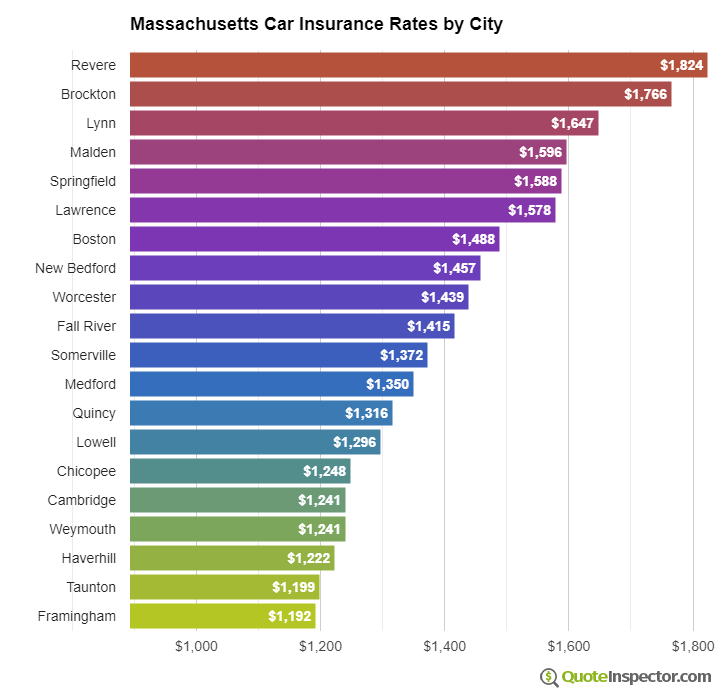
Here’s the deal: Massachusetts isn’t a ‘one-size-fits-all’ state when it comes to insurance rates. Factors like urban density, weather conditions, and even local laws can drive up costs. For example, Boston’s traffic congestion increases the likelihood of accidents, which can bump up your premium.
Pro Tip:
Consider taking a defensive driving course. It can lower your premiums by up to 10%.
Weather extremes also play a role. Harsh winters can lead to more claims, affecting rates statewide.
Factors Influencing Auto Insurance Rates
Ever wonder why your neighbor pays less for auto insurance than you do? It’s not just luck. There are several key factors that play into how much you shell out each month for auto insurance. Let’s dive into what these are and how they impact your rates.
Insurance companies use a complex algorithm to determine your premiums. They look at personal factors like age and driving history, as well as external ones like where you live and what type of vehicle you drive. Understanding these can help you make informed decisions and potentially save money.
How Age, Driving History, and Location Influence Rates
Your age can have a big impact on your insurance rate. Younger drivers typically pay more because they’re seen as high-risk. But here’s the deal: as you get older, your rates usually decrease, assuming you maintain a clean driving record.
Driving history is another biggie. If you’ve had a few fender benders or speeding tickets, expect your premiums to go up. Insurance companies see you as a risk, which means you’ll pay more. Clean record? That’s your ticket to lower rates.
Location, location, location! Where you live matters. Urban areas with high traffic tend to have higher rates due to the increased likelihood of accidents. Conversely, if you’re in a rural area, you might pay less.
| Factor | Impact on Premiums |
|---|---|
| Age | Young drivers pay more; rates usually lower with age |
| Driving History | Tickets and accidents increase premiums |
| Location | Urban areas generally have higher rates |
The Role of Vehicle Type and Usage in Determining Costs
The type of car you drive can either be your best friend or your worst enemy when it comes to insurance rates. Sports cars and luxury vehicles typically cost more to insure due to their high repair costs and likelihood of theft. If you drive a safer, more economical vehicle, you could save a bundle.
How you use your car also matters. If you’re commuting long distances daily, expect higher rates. BUT, if you’re someone who barely uses their car, you might qualify for a low-mileage discount.
Pro Tip: Consider a vehicle with high safety ratings and low theft rates to shave dollars off your insurance premiums.
Average Cost of Auto Insurance in Massachusetts
Did you know Massachusetts drivers pay a different rate for auto insurance compared to the rest of the country? Let’s dive into the numbers and see how they stack up.
In Massachusetts, the average cost of auto insurance is a bit higher than the national average. Understanding these figures can help you make smarter choices about your coverage.
Comparing Massachusetts Rates to National Averages
Here’s the deal: Massachusetts drivers often face higher premiums due to a variety of factors. But how do these costs truly compare on a broader scale?
| Region | Average Annual Cost |
|---|---|
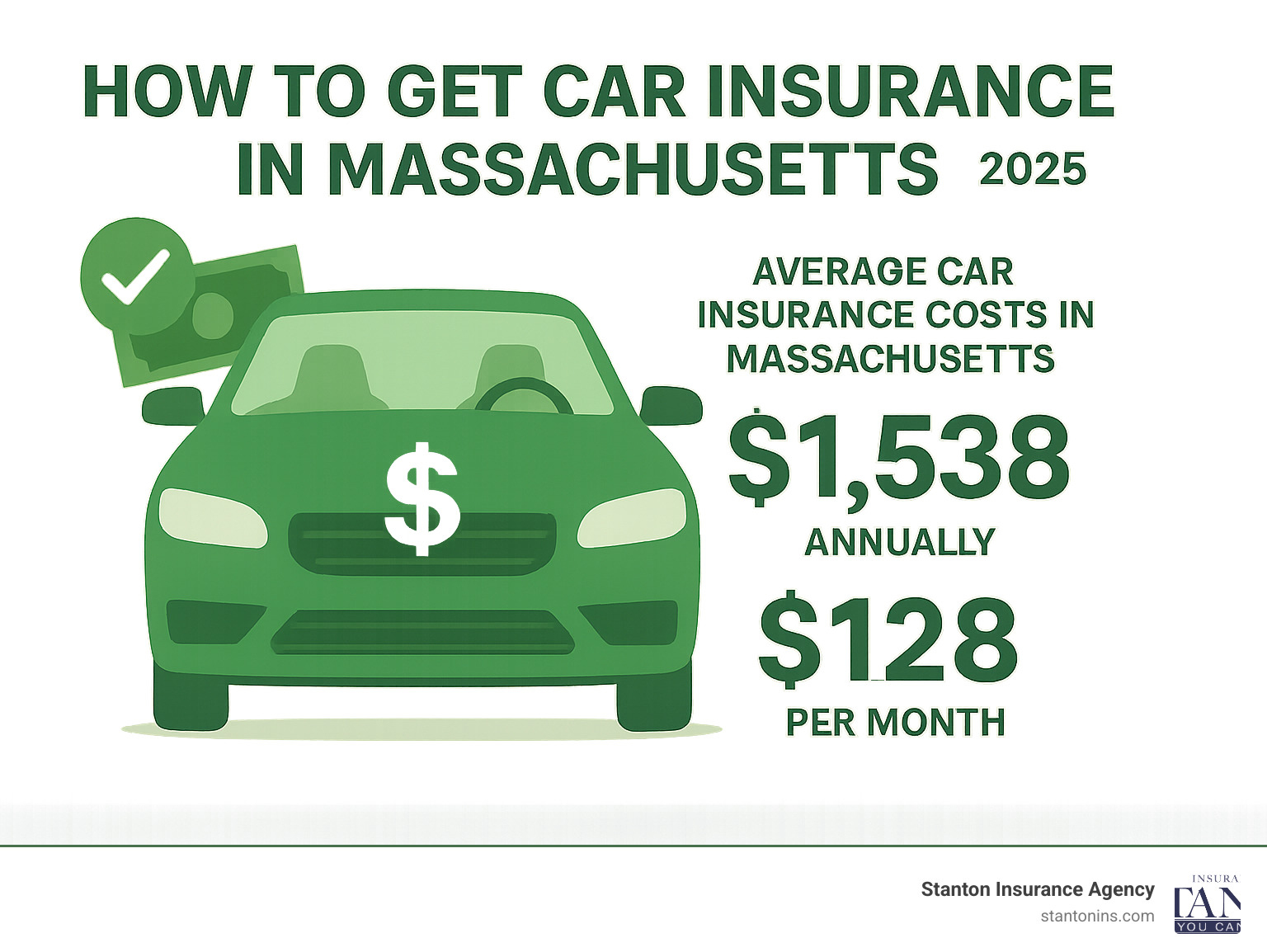
| Massachusetts | $1,460 |
| United States | $1,190 |
As you can see, Massachusetts drivers are paying approximately $270 more annually compared to the national average. This difference is significant and underscores the importance of shopping around for the best rates.
Seasonal Variations in Insurance Pricing
Here’s something you might not expect: insurance rates can fluctuate with the seasons. Insurance companies often adjust their rates based on seasonal trends and data analysis.
In Massachusetts, you might notice a slight increase in premiums during the winter months. Why? Because harsher weather conditions increase the likelihood of accidents, and insurers hedge against potential claims. A smart move would be to review your coverage before winter hits.
Pro Tip: Consider bundling your auto insurance with other policies for potential discounts, especially during peak seasons.
Ultimately, understanding these costs and their fluctuations can empower you to make informed decisions about your auto insurance. Keep these insights in mind as you shop for coverage!
Ways to Save on Auto Insurance
Auto insurance in Massachusetts can be pricey, but there are smart ways to cut costs. Are you taking full advantage of discounts and strategies to slash those premiums?
Let’s dive into some actionable methods to put more money back into your pocket without sacrificing coverage.
Effective Strategies to Lower Your Premiums
Start by shopping around. Different companies can offer wildly different rates for the same coverage. And don’t be afraid to negotiate. Many providers are open to adjusting premiums if it means keeping you as a customer.
Boosting your deductible is another way to lower costs. Yes, it means paying more out of pocket in case of a claim. But if you’re a safe driver, this can lead to substantial savings over time.
Pro Tip: Bundling your auto insurance with other policies like home or renters insurance can lead to significant discounts.
Available Discounts and How to Qualify
Insurers offer a range of discounts, but qualifying for them isn’t always clear-cut. Be proactive in asking your insurer about any eligible savings.
- Good Driver Discounts: Maintain a clean driving record.
- Multi-Car Discounts: Insure more than one vehicle with the same company.
- Low Mileage Discounts: Drive less than the average person, and you could see reduced rates.
Comparing Insurance Providers and Their Offers
To find the best deal, let’s compare some of the top providers and what they offer in terms of savings:
| Provider | Discounts Available | Unique Offerings |
|---|---|---|
| Geico | Good Driver, Multi-Car | Military Discounts |
| Progressive | Bundling, Good Student | Snapshot Usage-Based Program |
| State Farm | Accident-Free, Defensive Driving Course | Steer Clear Safe Driver Program for Young Drivers |
Each provider has its perks, but the key is to match them to your specific situation and needs. With a bit of legwork, you could save hundreds each year.
Impact of Legal and Regulatory Changes
Did you know that a single regulatory tweak can shake up the auto insurance world in Massachusetts? Yep, and it’s happening right now. These changes can dramatically impact your premiums and coverage options.
Regulations aren’t just red tape. They define how insurance companies operate, setting the rules for how they price their policies. Recent changes in Massachusetts law have aimed to protect consumers while ensuring fair practices among insurers. But here’s the deal: these changes can also mean shifts in how much you pay and what you’re covered for.
Recent Changes in Massachusetts Auto Insurance Law
Massachusetts has recently enacted laws that directly affect your auto insurance. For instance, there’s been a focus on improving transparency in pricing. Insurers now need to provide more detailed breakdowns of how they calculate premiums, which means you can better understand what you’re paying for.
Another significant change? The introduction of stricter regulations around usage-based insurance. This means insurers are now required to offer policies that consider how you actually drive, rather than just your demographics or credit score. It’s a game-changer for safe drivers who can potentially see lower rates.
Consumer Rights and Protections
Recent laws have bolstered consumer rights, giving you more power. One important right you now have is the ability to request a review of your premium increases. If your rates go up, you can demand a detailed explanation from your insurer.
Massachusetts law now ensures that consumers can challenge rate hikes with documented evidence of safe driving.
Moreover, new regulations require insurance companies to provide more comprehensive information about policy options, helping you make more informed decisions. This means better protection for you and potentially more savings in your pocket.
Understanding Auto Insurance Claims Process
Did you know that 20% of auto insurance policyholders file a claim each year in the US? It’s crucial to understand the auto insurance claims process before you actually need it. Let’s break it down.
Filing an insurance claim can feel overwhelming. BUT, if you know the steps, you can navigate the process with ease and confidence. Here is the deal: we’re going to simplify it for you, step-by-step.
Step-by-Step Procedure for Filing an Insurance Claim
Start by contacting your insurance company immediately after an accident. They will guide you through the next steps. Here’s a simple breakdown:
- Call your insurer and report the incident.
- Provide all necessary details about the accident.
- Follow the insurer’s instructions on how to proceed.
- Submit the required documentation.
- Wait for the insurance adjuster to assess the damage.
- Receive a claims decision from your insurer.
Pro Tip:
Always document everything at the scene of the accident. This can significantly speed up the claims process.
Documentation Needed for Claims
You’ll need to gather some important documentation to support your claim. Make sure you have the following items ready:
- Police report from the accident scene
- Photos of the damage
- Witness statements
- Your insurance policy number
- Repair estimates from a certified mechanic
Typical Timeline and Process for Claim Resolution
Once your claim is filed, how long does it take to resolve? On average, it takes about 30 days. BUT, this can vary depending on the complexity of the claim. Here’s what typically happens:
- Your insurer reviews the claim and investigates.
- An adjuster will evaluate the damage.
- You receive a decision letter with the outcome.
- If approved, you’ll get a payout or repair authorization.
Stay proactive by regularly following up with your insurance company. This keeps your claim on track and helps you stay informed.
Final Thoughts
Now that you’re equipped with the knowledge of auto insurance in Massachusetts, you’re ready to make an informed decision. Remember, the key is to compare rates, understand your needs, and leverage discounts. With this guide as your roadmap, navigating the complexities of insurance has never been easier. Safe driving!
Q&A
What are the minimum auto insurance requirements in Massachusetts?
Massachusetts law requires drivers to have a minimum of $20,000 per person and $40,000 per accident for bodily injury, $5,000 for property damage, and personal injury protection (PIP) of $8,000.
How do age and driving history affect insurance rates in Massachusetts?
Younger drivers and those with a poor driving history typically face higher insurance rates due to the perceived higher risk.
Does the type of vehicle impact insurance costs?
Yes, the make, model, and age of your vehicle can significantly influence your insurance premium due to repair costs and safety features.
Are there seasonal variations in auto insurance pricing?
Insurance rates generally remain stable throughout the year, but factors like weather-related claims can cause slight variations.
What discounts are available for Massachusetts drivers?
Discounts for Massachusetts drivers include safe driver discounts, multi-policy discounts, and discounts for vehicles with safety features.
