Imagine running your dream business, everything is going smoothly, clients are happy, and profits are rolling in. But then, disaster strikes—a fire, a lawsuit, or even a data breach. Are you prepared? This is where the magic of small business insurance comes into play. It’s not just a safety net; it’s your business’s superhero cape, ready to save the day when things go south.
In this comprehensive guide, we’re diving deep into the world of small business insurance. From understanding the essentials to choosing the right provider, we’re covering it all. So buckle up and get ready to discover how the right insurance can be a game-changer for your business!
Understanding Small Business Insurance

Did you know that 40% of small businesses never reopen after a disaster? That’s a scary stat. But having the right insurance can be your safety net.
Insurance isn’t just a piece of paper. It’s peace of mind. Small business insurance protects you from financial losses due to unexpected events. This means you can focus on what you do best: growing your business.
Common Types of Small Business Insurance
Every business is unique, and so are its insurance needs. Here are the most common types of insurance every small business should consider:
- General Liability Insurance: Covers legal hassles due to accidents, injuries, and claims of negligence.
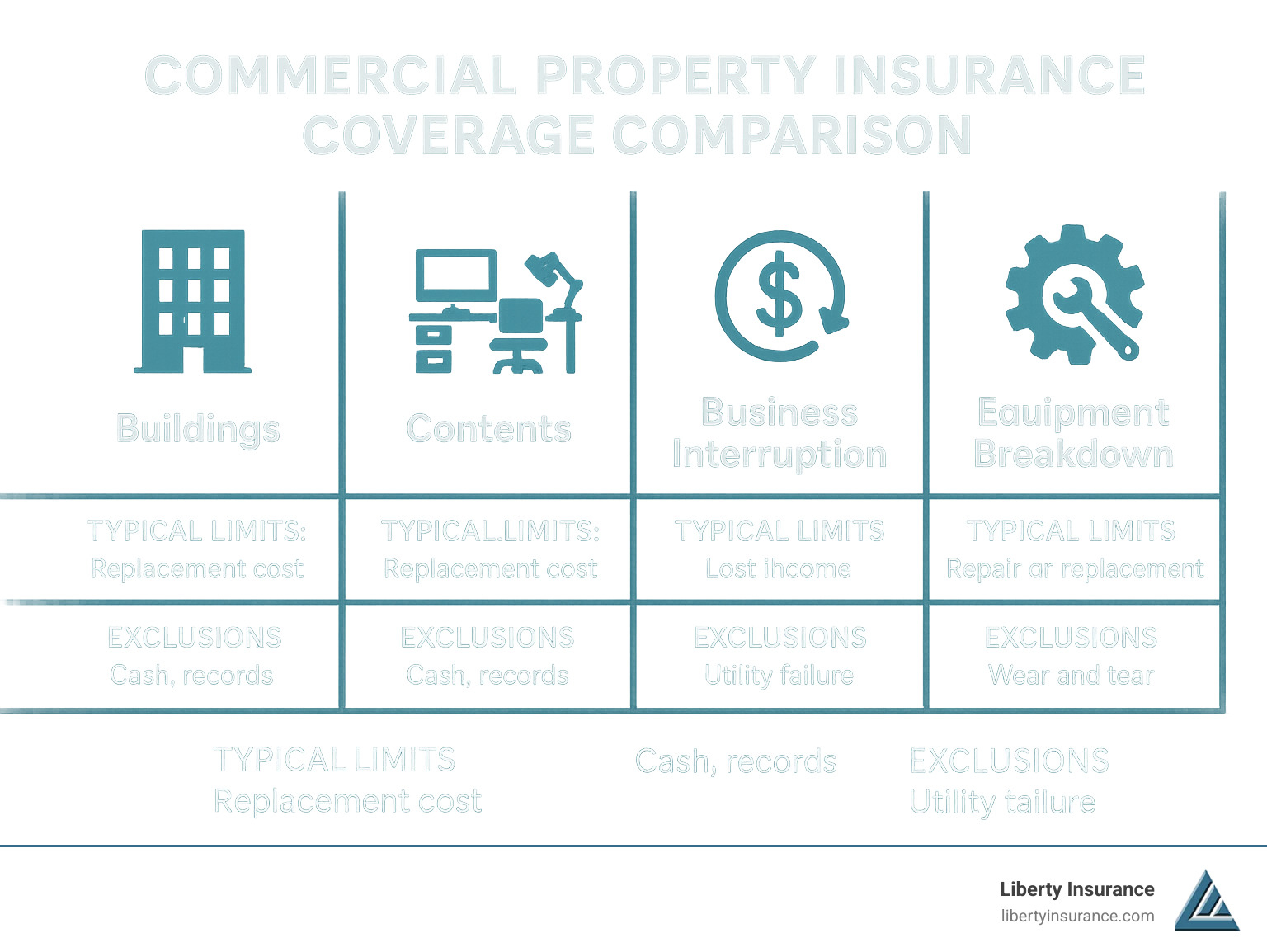
- Property Insurance: Protects your physical assets like buildings, equipment, and inventory from threats like fire and theft.
- Workers’ Compensation Insurance: Necessary if you have employees. It provides medical benefits and wage replacement.
- Professional Liability Insurance: Also known as Errors and Omissions (E&O) insurance. It protects against claims of negligence or mistakes.
- Business Interruption Insurance: Keeps you afloat if your business operations are halted due to a disaster.
Scenarios That Demand Specific Coverage
When you’re running a restaurant, a customer might slip and fall. That’s when General Liability Insurance pays off. If you’re a consultant, E&O insurance backs you up when a client claims your advice cost them money. Own a storefront? A fire could wipe out your inventory, but Property Insurance would have you covered.
Pro Tip: Always consult with an insurance expert to tailor coverage specifically to your business needs.
Here is the deal: Not having insurance isn’t just a risk. It’s a gamble with your livelihood. Taking these steps helps shield your business from the unexpected.
Key Elements of Business Insurance Policies
Did you know that 75% of businesses are underinsured? That’s a staggering statistic considering how critical insurance is for safeguarding your business’s future.
Let’s break down the components you need to know to ensure you’re not part of that risky majority.
Components of a Typical Small Business Insurance Policy
When you dive into a business insurance policy, you’ll find a few core elements. The first is liability coverage. This protects you against claims resulting from injuries and damage to people or property. Next up is property insurance, which covers damage to your business property from events like fire or theft.
Finally, don’t overlook employee insurance. This includes workers’ compensation and other protections that keep your team safe. Each of these components plays a vital role in your overall coverage.
Differences Between Liability, Property, and Employee Insurance
Understanding the differences between these insurance types can save you from costly mistakes.
| Policy Type | Coverage Description | Typical Cost | Example Businesses |
|---|---|---|---|
| Liability Insurance | Covers legal fees and damages if sued | $400 – $600 annually | Consulting Firms, Retail Stores |
| Property Insurance | Protects physical assets from disasters | $500 – $1,000 annually | Restaurants, Manufacturing Facilities |
| Employee Insurance | Covers injuries and illnesses of employees | $0.75 per $100 of payroll | Construction Companies, Healthcare Services |
Here’s the deal: Each type of insurance serves a distinct purpose. Liability shields you from legal nightmares. Property insurance keeps your assets intact. And employee insurance ensures your team is covered.
Pro Tip: Always customize your insurance package to fit your specific business needs. Cookie-cutter policies often leave gaps.
Risk Assessment and Insurance Needs
Did you know that 40% of small businesses never reopen after a disaster? That’s a staggering number. But, understanding your risks can save you from becoming a statistic.
Risk assessment isn’t just a formality; it’s a lifeline. Knowing your unique risks means you can tailor your insurance to match. Here’s how you can start.
Methods for Assessing Risks in Small Businesses
First, you need to identify all potential risks. This means everything from natural disasters to cyber threats. Take a close look at your business operations and pinpoint anything that could disrupt them. BUT remember, not all risks are immediately obvious.
Step #1: Conduct a SWOT Analysis. This will help you get a clear picture of your strengths, weaknesses, opportunities, and threats. Step #2: Engage with industry experts and peers. Their experiences could offer insights into risks you haven’t considered.
Pro Tip:
You can’t manage what you don’t measure. Regular risk assessments keep your business insurance needs aligned with your growth.
Unique Insurance Needs Across Industries
The insurance needs of a tech startup differ vastly from those of a restaurant. For instance, while a restaurant might worry more about general liability and property damage, a tech company might prioritize cyber liability insurance. Industry-specific threats demand tailored coverage.
Here’s the deal: industries have unique exposures. Identify industry-specific risks by joining trade associations and attending seminars. They often provide completely relevant insights and updates.
Strategies for Evaluating Insurance Coverage Adequacy
Are you sure your current insurance is enough? Many small business owners are underinsured without knowing it. Start by reviewing your policies annually. You want to ensure that coverage keeps up with your business changes.
Step #1: List all potential risks and compare them against your current policies. Step #2: Check your policy limits and deductibles. They should reflect your current financial standing and ability to absorb losses.
Pro Tip:
Involve your insurance agent in this process. They can provide a professional assessment of your current coverage against your risks.
Cost-Benefit Analysis of Insurance Plans
Did you know that nearly 40% of small businesses never reopen after a disaster? That’s why choosing the right insurance isn’t just smart—it’s necessary. Let’s dive into how you can make the best choice for your business.
When you’re comparing insurance plans, it’s crucial to weigh the costs against the potential benefits. But how do you do that effectively? Here’s the deal: you need to consider not just the price of premiums but also what you gain in return.
Comparing Costs and Benefits of Different Insurance Options
Not all insurance plans are created equal. Some offer basic coverage at a lower cost, while others provide extensive protection at a higher price. So, how do you make the right choice? It’s all about balance. The trick is to evaluate what your business really needs. Are you in a high-risk industry? If so, investing in comprehensive coverage might save you more in the long run.
Calculating Return on Investment for Insurance Premiums
Why should you care about ROI when it comes to insurance? Because every dollar counts. To calculate your return on investment, compare the cost of premiums with the potential payout from claims. Step #1: Project the worst-case scenario. Step #2: Estimate the total losses your business might incur. Step #3: Assess how much the insurance would cover. If the payout outweighs the premiums, you’re in good shape.
Cost-Saving Tips and Insurance Bundling
Looking to save money on your insurance premiums? You’re not alone. Many small business owners overlook simple strategies that can lead to big savings. For instance, consider bundling different types of insurance policies.
- Bundle your general liability and property insurance for discounts.
- Review and update your coverage annually.
- Implement risk management practices to lower premiums.
Pro Tip: Bundling your policies can save you up to 25% on premiums.
By strategically analyzing your insurance needs and leveraging bundling offers, you can make the most of your investment while ensuring your business is protected.
Choosing an Insurance Provider
Did you know that 42% of small businesses aren’t prepared for unexpected events? Choosing the right insurance provider is crucial.
But how do you pick the right one? You need to look beyond just the cost of premiums. Here is the deal: the right provider will offer more than just an insurance policy; they will provide peace of mind.
Criteria for Selecting a Reputable Insurance Provider
First, check their financial stability. You don’t want a provider that’s here today and gone tomorrow. Look for a company with high ratings from agencies like A.M. Best or Moody’s.
Next, make sure they have experience in your industry. A provider who understands your business type can tailor policies to fit your unique needs.
Also, consider their range of coverage options. A good provider should offer comprehensive packages that cover all potential risks your business might face.
The Role of Customer Service and Claim Response Times
Here’s a fact: 44% of small business owners had a poor experience with their insurer’s customer service. Don’t let that be you.
Excellent customer service means having a knowledgeable person ready to assist you when you call. Quick and clear communication is key.
Claim response times are equally important. Ask about their average claim processing time. You want a provider known for swift claims handling.
Pro Tip: Never hesitate to ask for client references. Talking to current customers can give you insights into how the provider handles claims and service issues.
Checklist for Evaluating Potential Insurance Companies
Before you sign with an insurance company, run through this checklist:
- Verify their financial ratings.
- Review their industry experience.
- Check the variety of coverage options.
- Assess customer service responsiveness.
- Inquire about average claim processing times.
- Ask for client testimonials or references.
Case Studies and Real-Life Examples
Did you know that 40% of small businesses never reopen after a disaster? That’s a scary stat! But having the right insurance can make all the difference.
Let’s dive into some real-world scenarios that illustrate how insurance can be a game changer—or a nightmare if you don’t have it. You’ll see how smart businesses bounce back, while others crumble without coverage.
Success Stories: Businesses Thriving with Insurance
Take Joe’s Coffee Shop, for instance. After a fire destroyed their main location, their business interruption insurance covered lost revenue while they rebuilt. Joe not only saved his business but also kept all his employees on payroll. That’s what I call a win-win!
In another case, Lisa’s Floral Boutique faced a lawsuit from a slip-and-fall accident. Fortunately, her liability insurance took care of the legal fees and settlement. Lisa learned the importance of reviewing policy limits and understanding coverage details.
Pro Tip: Always update your insurance as your business grows to avoid undercoverage!
Lessons from the Uninsured: What Went Wrong?
Now, let’s talk about Dave’s Tech Store. They thought they could save money by skipping insurance. A break-in led to $50,000 in stolen goods and no coverage to recover the loss. Dave’s hard lesson? Insurance is not optional.
Then there’s Sarah’s Catering, who faced a food poisoning claim. Without product liability insurance, she was out of business within a month. Her story emphasizes knowing your industry risks and having the right protection.
Illustrative Scenarios: The Real-World Impact of Insurance Decisions
Imagine you run a small bakery. A flood wipes out your equipment and inventory. With property insurance, you’re back on your feet within weeks. Without it? You’re left to start over from zero.
Or picture a client sues your consultancy for advice that led to financial loss. Professional liability insurance can cover defense costs and damages, saving you from financial ruin. It’s a stark reminder that one decision can change everything.
Final Summary
In conclusion, three small business insurance commercials are more than just promotional snippets—they’re gateways to understanding the vital role insurance plays in safeguarding your entrepreneurial dreams. By making informed insurance choices, you ensure that your business is ready to face any challenge head-on. So, take the leap, assess your needs, and let the right insurance policy be your business’s best ally.
Q&A
What are the common types of small business insurance?
Common types include liability insurance, property insurance, and employee insurance, each serving a specific protective purpose.
Why is small business insurance important?
Insurance provides financial protection against unforeseen events, ensuring business continuity and stability.
How do I assess the insurance needs of my small business?
Conduct a risk assessment, review industry-specific risks, and evaluate existing coverage with professional guidance if necessary.
What factors should I consider when choosing an insurance provider?
Look for providers with strong customer service, quick claim response times, and a solid reputation in the industry.
Can I save money on small business insurance?
Yes, by bundling policies, increasing deductibles, and regularly reviewing your coverage for cost-saving opportunities.
